

Pre-winter Checklist for Keeping Your Pets Warm and Safe - Pre-winter Tips from Muffin (CFO - Angel Paws) !!!
- Angel Paws
- Nov 6, 2025
- 3 min read

Winter brings cold temperatures that can be dangerous for pets if they are not properly prepared. Many pet owners underestimate how much the cold affects animals, especially those that spend time outdoors or have short fur. Taking a few simple steps before the cold weather sets in can protect your furry friends from discomfort, illness, and injury. This guide offers practical tips to help you keep your pets warm, healthy, and safe during the chilly months ahead.
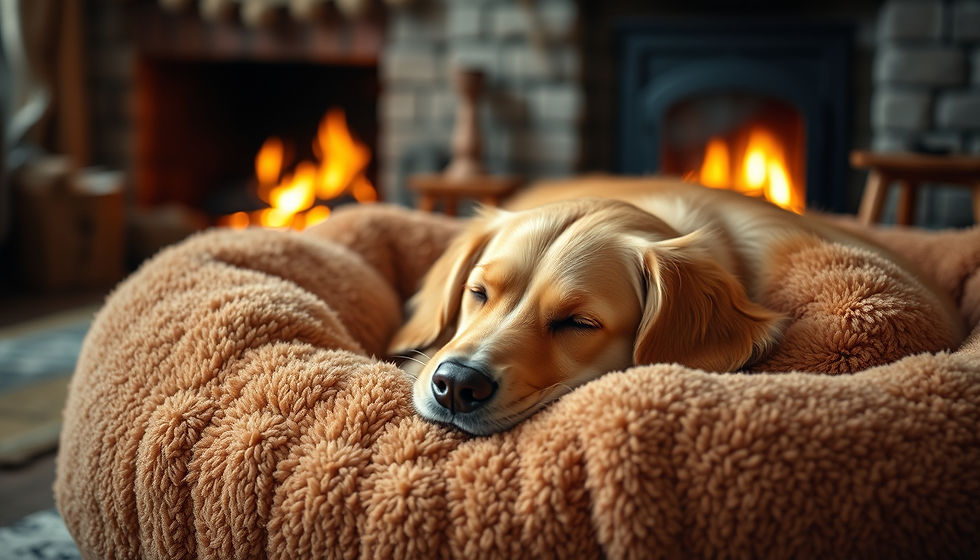
Check Your Pet’s Shelter and Bedding
Pets that spend time outside need a warm, dry shelter to protect them from wind, rain, and snow. A doghouse or cat shelter should be:
Elevated off the ground to avoid dampness
Insulated with materials like straw or foam panels
Equipped with warm bedding such as blankets or pet-safe heating pads
Make sure the shelter’s entrance faces away from prevailing winds. For indoor pets, provide soft bedding away from drafts and cold floors. Heated pet beds or placing beds near radiators can add extra warmth.
Adjust Your Pet’s Diet and Hydration
Cold weather can increase your pet’s energy needs, especially for outdoor animals. Consult your veterinarian about adjusting food portions or switching to a diet with higher fat content to help maintain body heat.
Keep fresh water available at all times. Water bowls can freeze quickly outside, so use heated bowls or change water frequently to prevent dehydration. Avoid giving pets ice-cold water directly, as it can cause stomach upset.
Dress Your Pets for the Weather
Some pets tolerate cold better than others. Small breeds, short-haired dogs, elderly pets, and those with health issues may need extra protection. Consider:
Dog sweaters or jackets made from warm, breathable fabrics
Booties to protect paws from ice, salt, and frostbite
Reflective gear for visibility during shorter daylight hours
Make sure clothing fits well and does not restrict movement or cause overheating indoors.
Protect Your Pet’s Paws
Winter conditions can be harsh on paws. Ice, snow, salt, and chemicals can cause irritation, cracking, or burns. To protect paws:
Rinse and dry paws after walks to remove salt and debris
Apply pet-safe paw balm or petroleum jelly before going outside
Use booties if your pet tolerates them
Regularly check paws for redness, cuts, or swelling and consult a vet if you notice any problems.
Limit Outdoor Time and Monitor Behavior
Cold weather can quickly lead to hypothermia or frostbite. Limit your pet’s outdoor time during extreme cold or storms. Watch for signs of discomfort such as:
Shivering or trembling
Lifting paws off the ground
Whining or reluctance to move
Lethargy or weakness
Bring pets indoors promptly if they show any of these signs. Provide a warm, quiet space for them to rest and recover.
Keep Your Home Safe and Warm
Indoor heating can dry out the air, which may irritate your pet’s skin and respiratory system. Use a humidifier to maintain comfortable humidity levels. Avoid placing pet beds near heaters or fireplaces where they could get too hot or risk burns.
Check that windows and doors are sealed to prevent drafts. If you use space heaters, keep cords out of reach to prevent chewing accidents.
Prepare for Emergencies
Winter storms and power outages can disrupt your routine. Prepare an emergency kit for your pet that includes:
Extra food and water
Medications and medical records
Warm blankets or clothing
A flashlight and batteries
A first aid kit
Have a plan for sheltering your pet if you need to evacuate or if your home becomes unsafe.
Groom Your Pet Properly
Regular grooming helps maintain your pet’s coat and skin health. Brush your pet frequently to remove mats and tangles that can trap moisture and cold. Avoid shaving your pet’s coat too short in winter, as the fur provides natural insulation.
Trim hair around paws to reduce ice buildup and keep nails short to prevent slipping on icy surfaces.
Watch Out for Toxic Substances
Certain substances used in winter can be harmful to pets. Keep pets away from:
Antifreeze, which is highly toxic even in small amounts
Ice melt products containing chemicals like urea or sodium chloride
Holiday plants such as poinsettias, holly, and mistletoe
Store these items securely and clean up any spills immediately.
Provide Mental and Physical Stimulation
Shorter days and cold weather can limit outdoor playtime, which may lead to boredom or anxiety. Keep your pet active indoors with:
Interactive toys and puzzles
Training sessions and new tricks
Short, frequent walks during warmer parts of the day
Mental stimulation helps reduce stress and keeps pets happy through the winter months.
Winter can be a challenging season for pets, but with thoughtful preparation, you can ensure they stay warm, healthy, and comfortable. Start your pre-winter checklist early to avoid last-minute stress and give your pets the care they deserve. Taking these steps will help you enjoy the season together, safe from the cold. For more Info, feel free to write us at info@angelpaws.co.in


Comments