

February Weather Change: Do’s & Don’ts to Keep Your Pet Healthy
- Angel Paws
- Feb 5
- 3 min read


As we move into February, the weather begins to shift—days get warmer, nights can still be chilly, and humidity levels fluctuate. While this transition may feel pleasant to us, it can be challenging for our pets. Sudden weather changes often trigger skin issues, respiratory discomfort, digestive problems, and lowered immunity in dogs and cats.
At Angel Paws, we believe that informed pet parents create healthier, happier pets. Here’s a simple yet effective guide to help you navigate February’s weather change with ease.
---
🌦️ Why February Weather Change Affects Pets
Pets are more sensitive to environmental changes than humans. During this time:
Body temperature regulation becomes difficult
Skin may turn dry or itchy
Seasonal infections can surface
Immunity may weaken after winter
Understanding these risks helps prevent avoidable health issues.
---
✅ Do’s to Keep Your Pet Healthy in February
1. Maintain Proper Hygiene
Bathe your pet only when necessary using a mild, pet-safe shampoo. Over-bathing during seasonal change can dry out their skin.
2. Keep Them Hydrated
Cooler weather often reduces water intake. Ensure fresh water is always available to avoid dehydration and skin dryness.
3. Focus on Skin & Coat Care
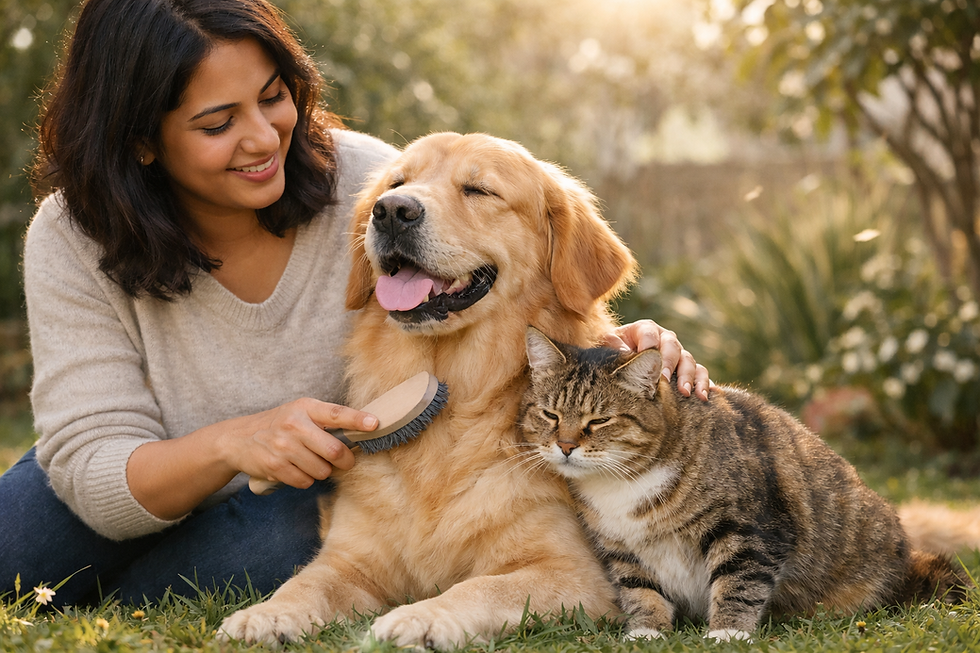
Regular brushing improves blood circulation and helps detect rashes, wounds, or hot spots early.
4. Boost Immunity
A balanced diet rich in essential nutrients helps pets fight seasonal infections. Consult your vet before adding supplements.
5. Watch for Early Symptoms
Look out for excessive scratching, coughing, sneezing, loose stools, or lethargy. Early action prevents bigger issues.
---
❌ Don’ts to Avoid During Weather Transition
1. Don’t Ignore Minor Skin Problems
Small wounds or redness can worsen quickly if left untreated.
2. Avoid Sudden Diet Changes
Abrupt food changes can upset your pet’s digestive system during this sensitive period.
3. Don’t Skip Grooming
Neglecting grooming can lead to matting, infections, and hidden skin conditions.
4. Avoid Exposure to Extreme Temperature Swings
Warm afternoons and cold nights can confuse your pet’s system—keep sleeping areas comfortable.
---
🐾 Extra February Care Tips
Clean and check paws after walks
Keep bedding dry and clean
Schedule a post-winter health check
Maintain parasite prevention routines
---
❓ Frequently Asked Questions (FAQs)
Q1. Is February a risky month for pet health?
A- Yes, seasonal transitions can lower immunity and trigger skin or respiratory issues.
Q2. Can weather change cause skin allergies in pets?
A- Absolutely. Dry air and temperature fluctuations often cause itching and rashes.
Q3. How often should I groom my pet in February?
A- Light grooming 2–3 times a week is ideal, depending on breed and coat type.
Q4. When should I consult a vet?
A- If symptoms last more than 2–3 days or worsen, seek veterinary advice immediately.
---
❤️ Final Thoughts
February is a beautiful month—but it requires extra care for your furry companions. With the right habits, early attention, and preventive care, you can help your pet stay healthy, comfortable, and happy throughout the season.
Because at Angel Paws, your pet’s well-being always comes first 🐶🐱
---
Want more pet care tips? Explore our range of pet wellness and hygiene solutions designed to support your pet in every season.
Feel free to connect with us for any Query/ Questions regarding products or related Topic.
Lot's of Love from
Muffin ( CFO Angel Paws) & Team Angel Paws


Comments