

Weather Change in February: Do’s and Don’ts for Pet Parents 🐶🐱
- Angel Paws
- Jan 31
- 3 min read

Dear Pet Pawrents,
As we move into February, the weather begins to change gradually. In many parts of India, winter starts fading, days become warmer, nights can still be cool, and humidity levels fluctuate. While this transition feels pleasant to us, it can affect our pets more than we realize.
Sudden changes in temperature and environment can lead to skin issues, digestion problems, respiratory infections, and seasonal allergies in pets. Being a little extra cautious during this period can go a long way in keeping your furry companions healthy and happy.
Here’s a simple guide on the do’s and don’ts during weather change that every pet parent should know.
✅ DO’S: How to Take Care of Your Pet During Weather Change
1. Maintain a Consistent Routine
Pets thrive on routine. Sudden changes in feeding times, walk schedules, or sleep patterns can stress them out, especially during seasonal transitions. Try to keep their daily routine as stable as possible.
2. Keep Them Hydrated
With rising temperatures, pets may start drinking more water.
Always provide fresh, clean water
Encourage hydration, especially for dogs who spend time outdoors
Proper hydration helps prevent urinary issues, dehydration, and fatigue.
3. Focus on Skin & Coat Care
Weather changes can trigger:
Dry skin
Itching
Hot spots
Excessive shedding
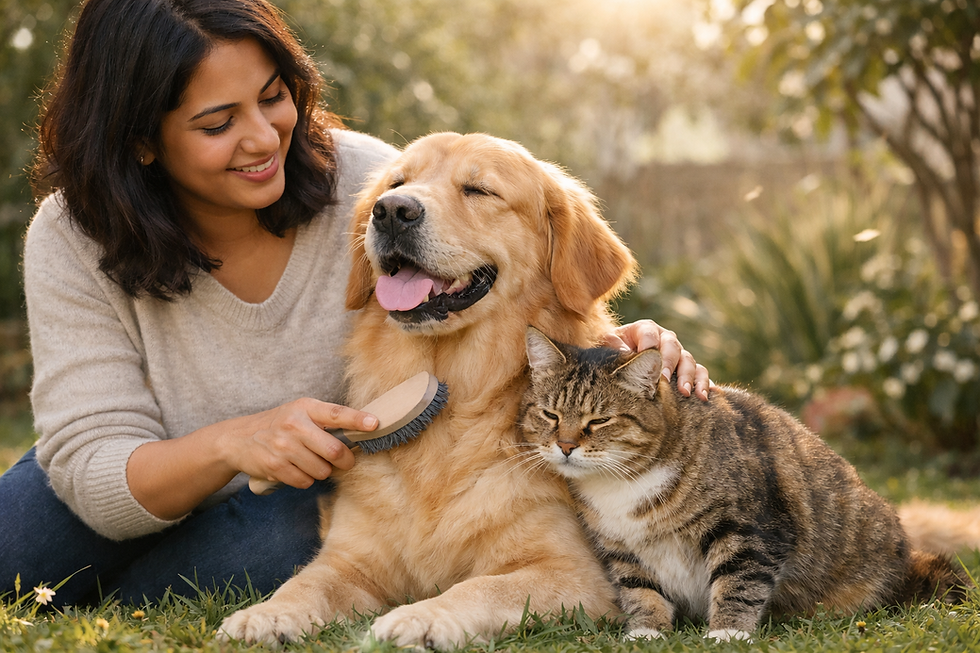
Regular grooming and using pet-safe skin care products can help maintain healthy skin and coat during this period.
4. Boost Immunity with Balanced Nutrition
A strong immune system helps pets fight seasonal infections.
Feed a balanced, nutritious diet
Avoid sudden food changes
Include supplements only if recommended by your vet
Good nutrition helps reduce the risk of stomach upsets and infections.
5. Watch for Early Signs of Illness
Be alert if your pet shows:
Sneezing or coughing
Lethargy
Loss of appetite
Excessive scratching
Digestive issues
Early detection can prevent minor issues from becoming serious health problems.
❌ DON’TS: What to Avoid During Seasonal Transition
1. Don’t Ignore Small Behavioral Changes
Mood swings, reduced activity, or unusual aggression may be signs of discomfort caused by weather changes. Don’t brush these off as “normal.”
2. Don’t Skip Grooming
Many pet parents reduce grooming during winter, but February is a critical time. Matted fur and unclean skin can trap moisture and bacteria, leading to skin infections.
3. Don’t Expose Pets to Extreme Temperature Changes
Avoid:
Sudden exposure to cold nights after warm days
Sitting directly under fans or ACs
Walking on hot surfaces during daytime
Gradual temperature adjustment is key.
4. Don’t Over-Exercise During Warmer Hours
As days get warmer, exercising pets during peak hours can lead to overheating.
👉 Prefer early morning or late evening walks.
5. Don’t Self-Medicate
Never give human medicines or random remedies if your pet falls sick. Seasonal illnesses may look minor but need proper veterinary attention.
🐾 Final Thoughts
Seasonal changes are a natural part of life, but they require extra awareness and care when it comes to pets. February is the perfect time to reset routines, strengthen immunity, and focus on preventive care.
A little attention today can save your pet from discomfort and illness tomorrow. After all, healthy pets are happy pets ❤️
With Lotz of Love and Tail wags,
CFO Muffin with Team Angel Paws
Frequently Asked Questions (FAQs)
1. Why does weather change affect my pet’s health?
Sudden changes in temperature and humidity can weaken a pet’s immune system. This may lead to skin problems, respiratory infections, digestive issues, and seasonal allergies.
2. Is February a risky month for pets in India?
Yes. February is a transition month where days get warmer but nights remain cool. This fluctuation can confuse a pet’s body regulation, making them more prone to infections and discomfort.
3. Do pets shed more during weather change?
Yes. Many pets start shedding their winter coat during this time. Regular grooming helps control excessive hair fall and prevents skin issues.
4. Should I change my pet’s diet during seasonal changes?
Avoid sudden food changes. Instead, focus on a balanced diet that supports immunity and digestion. Any dietary changes should be gradual and vet-approved.
5. How can I protect my pet from skin allergies during this season?
Maintain proper hygiene, keep bedding clean, groom regularly, and use pet-safe skin care products. If itching or redness persists, consult a veterinarian.
6. When should I take my pet to the vet?
If symptoms like lethargy, vomiting, coughing, continuous scratching, or loss of appetite last more than 24–48 hours, it’s best to seek veterinary advice.
Feel free to post your question related to this blog or topic suggestions for new blog.
From,
CFO Muffin


Comments